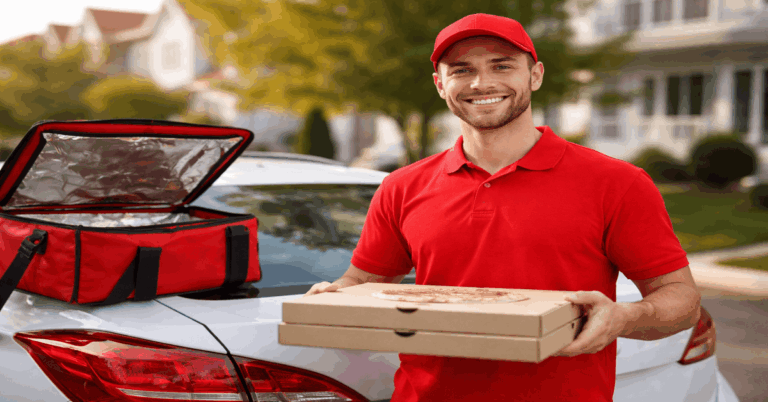
Gig work gives you flexible earning options using your own time and vehicle. Many people explore income through a DoorDash delivery driver role because of its accessibility and schedule freedom.
This article explains requirements, pay structure, job roles, and earning strategies. You will understand how the work operates before deciding to apply.

Understanding the Dasher Role
You operate as an independent contractor, not an employee. Your earnings depend on completed deliveries and efficiency. The platform connects you with customers who request food or retail delivery.
You control when and how often you work. A Dasher accepts orders through the app interface.
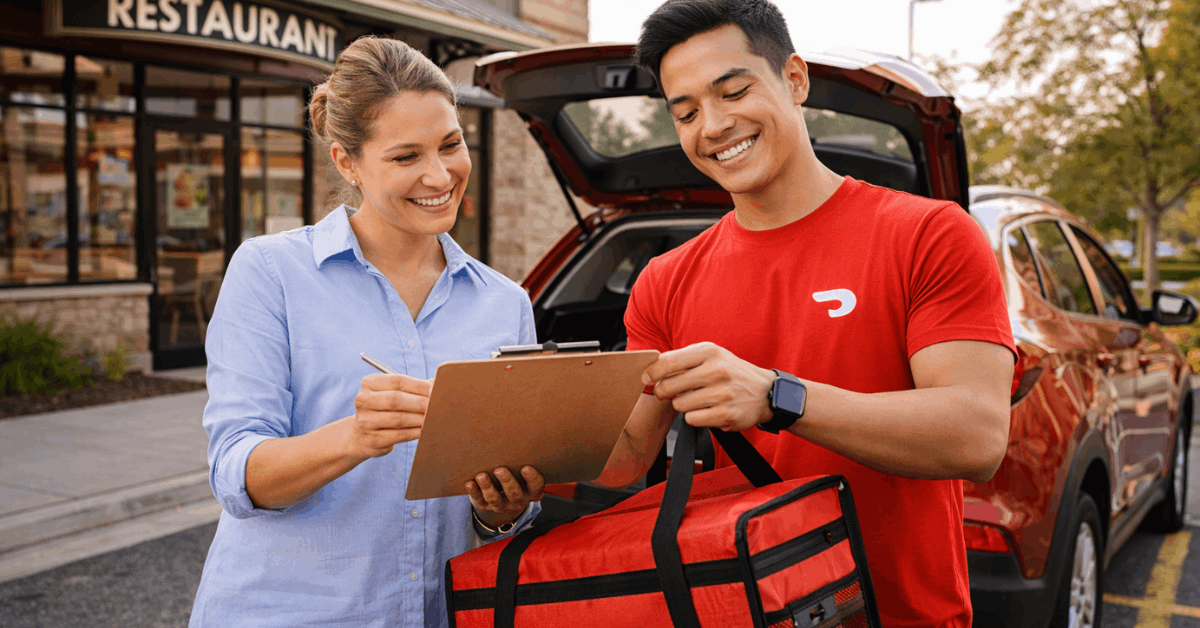
You travel to the pickup location and verify the order. After that, you deliver to the customer’s address. Ratings influence your order access and consistency.
Basic Requirements to Apply
You must meet platform eligibility before activation. These requirements confirm legal and operational readiness.
Age Eligibility
You must be at least 18 years old in most markets. Some states require higher age thresholds due to local labor laws.
Verification occurs during onboarding. Applications below the minimum age are rejected automatically.
Vehicle Options
DoorDash allows multiple delivery methods. Your vehicle choice affects order volume and distance range. Car deliveries allow longer routes and higher order frequency.
Scooter or motorcycle deliveries suit dense urban zones. Bicycle delivery applies only in select cities. Your vehicle must be functional and reliable.
Documentation Requirements
Identity verification ensures contractor legitimacy. Valid driver’s license for motor vehicle delivery. Government ID for bicycle couriers.
Social Security Number for background screening. Insurance documentation for car-based delivery. Approval depends on successful background clearance.
Sign-Up and Activation Process
You complete registration through a fully digital onboarding system. The approval timeline depends on background screening and document verification speed.
- Create Your Account: You submit your phone number, email address, and delivery location. This step establishes your Dasher profile and market eligibility.
- Verify Identity: You upload your driver’s license or government ID. Identity confirmation ensures contractor legitimacy and compliance.
- Complete Background Check: Screening reviews driving history and criminal records. Approval is required before platform activation.
- Download the Dasher App: You install the delivery app after approval. This becomes your main work interface. (Google Play and App Store).
- Set Up Payment Details: You enter banking information for payouts. This enables weekly deposits and instant cash‑out features.
- Start Accepting Deliveries: Once onboarding prompts are complete, you can begin working immediately. Activation timing varies based on market demand.
How Dasher Pay Is Structured?
Earnings combine three income components. Understanding each stream helps you estimate profit.
Base Pay
Base pay is DoorDash’s guaranteed payment per order. It reflects delivery time, distance, and demand. Short deliveries pay less than long-distance ones. Average base pay ranges from $2 to $10.
Promotions
Promotions increase earnings during busy periods. They appear automatically in your driver app. Promotional structures include Peak Pay, Challenges, and Boost zones.
These incentives reward high productivity. Some require completing delivery targets. Bonuses range from $20 to $200, depending on campaign difficulty.
Tips
Customers can tip before or after delivery. Dashers receive 100 percent of all tips. Tips often exceed base pay in value. Average tips range from $2 to $8 per order.
Average Salary Expectations
Income varies by hours, city demand, and driver efficiency. Understanding averages helps set realistic expectations.
Part-time drivers earn $150 to $400 weekly. Mid-range drivers earn $400 to $800 weekly. Full-time drivers can exceed $1,000 weekly in strong markets. Hourly averages range between $15 and $25.
Expenses affect net profit. Fuel and maintenance reduce take-home earnings. Strategic scheduling improves hourly outcomes. Market demand heavily influences income stability.
Work Schedule Flexibility
You control your working hours entirely. There are no fixed shifts or mandatory schedules.
You can dash anytime in busy zones. Alternatively, you can pre-schedule delivery windows. Scheduling helps secure peak demand periods. Dinner and weekend slots generate higher pay.
Lunch hours also produce steady orders. Weather and holidays increase delivery volume. Flexible scheduling allows income scaling. You decide workload intensity.
Types of Delivery Roles Available
Different order categories affect workload and pay. Understanding each role helps optimize strategy.
Restaurant Delivery
This is the most common delivery type. You transport meals from restaurants to customers. Orders are frequent and short distances. Average pay ranges from $15 to $25 hourly with tips.
Grocery Delivery
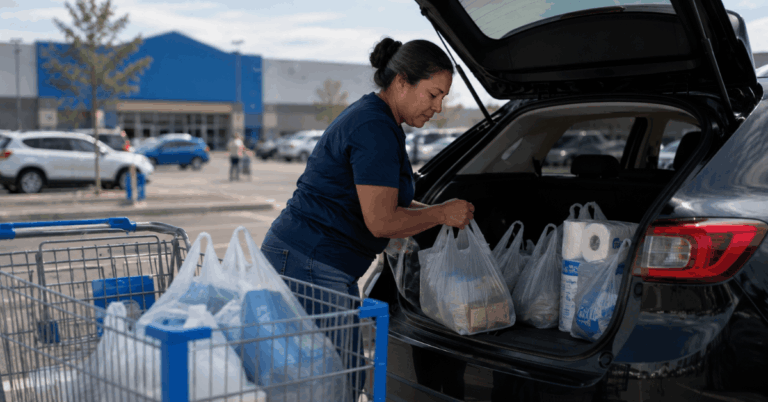
Grocery orders involve larger item volumes. Pickup happens at partner supermarkets. Delivery distances may be longer. Pay averages $16 to $26 hourly.
Retail and Convenience Delivery
Retail deliveries include pharmacy and store items. Order handling is simpler than groceries. Volume varies by market demand. Earnings range from $14 to $22 hourly.
Key Benefits of the Job
This work model attracts drivers seeking flexibility. The benefits extend beyond scheduling freedom.
Income Flexibility
You scale earnings based on availability. More hours produce higher income. Part-time work remains viable. This suits supplemental earners.
Schedule Control
You work without managerial oversight. You log in when ready. You stop anytime without penalty. This autonomy attracts gig workers.
Fast Payments
DoorDash offers weekly deposits. Instant payout options also exist. Fast Pay transfers earnings quickly. Liquidity helps manage expenses.
Low Entry Barrier
No degree or experience is required. Approval focuses on documentation. The onboarding process is simple. Entry accessibility remains high.
Expenses You Must Consider
Operating costs affect real earnings. Expense awareness improves profitability planning.
Fuel is the highest recurring cost. Vehicle maintenance includes oil and tire wear. Insurance premiums apply to drivers. Taxes apply to independent contractors.
Mileage tracking reduces tax burden. Expense logging supports deductions. Efficient routing lowers fuel costs. Cost management protects net income.
Tools That Improve Delivery Efficiency
Proper tools increase productivity and ratings. Preparation improves operational flow.
You need a reliable smartphone. A car charger prevents downtime. Insulated bags preserve food quality. Navigation apps reduce delivery delays.
Mileage tracking apps support tax reporting. Backup phone mounts improve safety. Efficient tools reduce stress. Professional preparation boosts customer satisfaction.
Strategies to Increase Earnings
Smart delivery habits improve profitability. Efficiency matters more than hours worked.
Accept high-value orders only. Prioritize strong pay-distance ratios. Work during peak demand windows. Maintain high customer ratings.
Avoid long wait-time restaurants. Cluster deliveries by area. Track hourly performance. Optimize routes consistently.
Performance and Safety Expectations
Professional conduct affects platform access. Safety compliance protects you and your customers.
Follow all traffic regulations. Handle orders carefully. Communicate delays proactively. Maintain respectful interactions.
Customer ratings impact delivery volume. Low ratings reduce opportunities. Professionalism ensures long-term viability. Safety remains a constant priority.
Final Takeaway: Is This Gig Worth It?
You now understand what it takes to succeed as a DoorDash delivery driver in today’s gig economy. The role offers flexible income, multiple pay streams, and low entry barriers.
Profitability depends on scheduling, efficiency, and expense control. Use this knowledge to decide if delivery driving aligns with your financial goals.