
Airport careers offer practical opportunities for people who want to work in aviation without advanced qualifications. This guide explains how airport jobs work and what you need to start.
You will learn about common entry-level roles, basic requirements, and the typical hiring process. Understanding these steps helps you prepare and apply with more confidence.


Understanding How Airport Jobs Work
Airport operations depend on many teams working together to keep flights safe and on schedule. You can enter this environment through entry-level positions that provide structured training and operational exposure.
Why Many Job Seekers Choose Airport Careers
Airport roles attract workers who want stable employment in a structured industry. These jobs often provide training programs and shift flexibility, which helps new employees adapt quickly to airport operations.
Working at an airport also exposes you to international travel environments and aviation systems. You interact with passengers, airline staff, and operational teams throughout each shift.
This experience strengthens communication, teamwork, and service skills. Many employees remain in the industry because it offers clear promotion pathways. Over time, you can progress into supervisory or management roles.
Employers That Hire Entry-Level Airport Staff
Airports function as large ecosystems with multiple organizations operating in one location. When you apply for airport work, you may work for an airline, a ground handling company, or the airport authority.
The most common airport employers include:
- Airlines responsible for passenger check-in and boarding
- Airport authorities that manage terminal operations
- Ground handling companies supporting aircraft and baggage services
- Security contractors managing safety checkpoints
- Retail and hospitality businesses serving passengers inside terminals
Understanding these organizations helps you identify where airport job opportunities are advertised. Many companies recruit directly through career websites and aviation hiring platforms.
Popular Entry-Level Airport Roles
Airports require employees in several departments to support daily flight operations. You can begin your aviation career in customer service, operations, or safety support roles.
Passenger Service Agent
Passenger service agents assist travelers during check-in, boarding, and ticket verification. You help passengers print boarding passes, check luggage, and understand flight information.

Airlines provide training on reservation systems and passenger communication procedures. You also learn how to manage delays, schedule changes, and travel documentation.
The role requires patience and strong customer service skills. Passenger service agents represent the airline’s brand and must maintain professionalism. Many workers start here before advancing into airline supervisory roles.
Baggage Handler
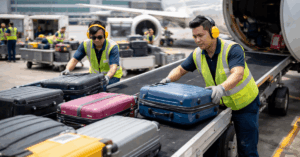
Baggage handlers manage luggage movement between aircraft and sorting systems. You load, unload, and organize bags according to flight schedules and cargo procedures.
The job requires physical strength and safety awareness because you handle heavy luggage and operational equipment. Accuracy is essential because misplaced baggage can disrupt airport logistics.
Baggage handlers often work outdoors near aircraft areas. This role gives you direct exposure to aircraft ground operations. Many employees later move into ramp supervision or cargo operations.
Airport Security Assistant
Security assistants support screening procedures that protect passengers and aviation infrastructure. You help maintain controlled access to secure airport zones.
Your tasks may include verifying identification, guiding passengers through checkpoints, and supporting screening staff. Training focuses on aviation safety regulations and threat prevention procedures.
Security work requires attention to detail and calm decision-making. Employers often require background checks before hiring. These roles contribute directly to maintaining airport safety standards.
Skills Needed for Entry-Level Airport Jobs
Airports prioritize employees who demonstrate reliability and strong communication abilities. Even without aviation experience, you can succeed by showing professional work habits and teamwork skills.
Important Soft Skills
Soft skills allow you to handle passenger interactions and operational challenges effectively. These abilities help maintain a smooth airport experience for travelers.
Key skills employers look for include:
- Customer service communication when assisting passengers
- Problem-solving ability during delays or operational changes
- Team collaboration with airline and ground staff
- Time management during busy flight schedules
- Professional behavior under pressure
These qualities help you build trust with supervisors and coworkers. Strong interpersonal skills often lead to training opportunities and promotions.
Basic Technical Knowledge
Airport work also involves technology and operational equipment. Having basic technical understanding improves your confidence in airport environments.
Examples of useful knowledge include:
- Using check-in and reservation systems
- Operating baggage handling equipment
- Following airport safety procedures
- Understanding communication systems used by ground teams
Employers usually provide formal training before your first shift. However, familiarity with these systems shows initiative and readiness to learn.
Requirements for Working at an Airport
Airports maintain strict safety and security regulations for all employees. Before hiring you, employers verify that you meet legal and operational standards.
Minimum Qualifications
Entry-level airport roles typically require basic educational and employment eligibility criteria. These standards ensure workers can perform duties safely and responsibly.
Common requirements include:
- Minimum 18 years of age
- Completion of high school or equivalent education
- Ability to communicate in basic English
- Availability for night, weekend, or rotating shifts
Some operational roles may require a valid driver’s license for equipment use. Meeting these requirements allows you to apply for most airport entry-level positions.
Security Screening and Background Checks
Airport employees must pass strict verification procedures before receiving access badges. These checks protect passengers and aviation infrastructure.
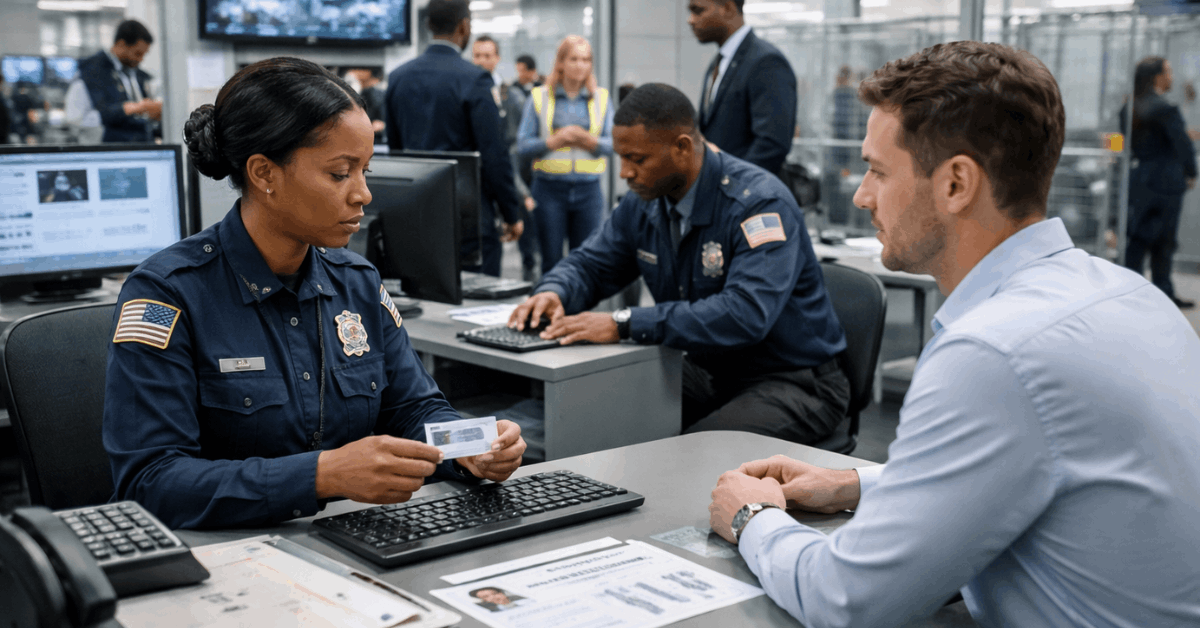
Screening processes often include:
- Criminal background verification
- Identity confirmation through official documents
- Employment history checks
- Airport security clearance approval
After approval, you receive a badge that allows access to restricted areas. Maintaining this clearance is essential for continued employment.
How to Apply for Airport Jobs Successfully?
Understanding the hiring process helps you prepare professional application materials. Most airports follow structured recruitment steps to select reliable employees.
Prepare a Strong Resume
Your resume should highlight customer service experience, teamwork ability, and reliability. Even if you have not worked in aviation, emphasize transferable skills from retail, hospitality, or logistics jobs.
Focus on tasks that demonstrate communication, responsibility, and punctuality. Clear formatting helps recruiters quickly review your qualifications. Employers prefer applicants who show consistent work history. A well-prepared resume improves your chances of being shortlisted.
Submit Applications Through Official Channels
Most airport employers use online recruitment platforms to manage applications. You create a profile, upload documents, and submit your resume for review.
Airline websites and airport authority portals regularly publish current job openings. Recruitment agencies may also advertise aviation positions.
Applying through official channels ensures your application reaches legitimate employers. Monitoring job boards regularly helps you respond quickly to new opportunities.
Prepare for Airport Job Interviews
Employers evaluate communication skills, reliability, and professionalism during interviews. You should prepare clear answers about your customer service approach and teamwork experience.
Research the company before attending the interview. Understanding the employer’s operations shows initiative and interest in the role.
Employers also value punctuality and professional appearance. Demonstrating confidence and responsibility helps you stand out from other candidates.
Building a Long-Term Career in Airport Operations
Entry-level airport roles can lead to advanced positions with greater responsibility. Many aviation professionals begin in operational support jobs and gradually progress through experience.
You can move into supervisory or specialized aviation roles after gaining operational knowledge. Airlines often promote employees who demonstrate strong performance and reliability.
Additional training programs help workers develop leadership and technical skills. Over time, you may transition into airport operations management or airline coordination roles. Continuous learning and dedication support long-term career growth.
Your First Step Toward a Career in Aviation
Airport employment allows you to enter a dynamic global industry with clear career development paths. You can start with entry-level airport jobs that build operational knowledge and valuable service skills.
Understanding job roles, requirements, and hiring procedures helps you approach applications with confidence. With consistency and strong work habits, you can grow your experience and establish a long-term aviation career.