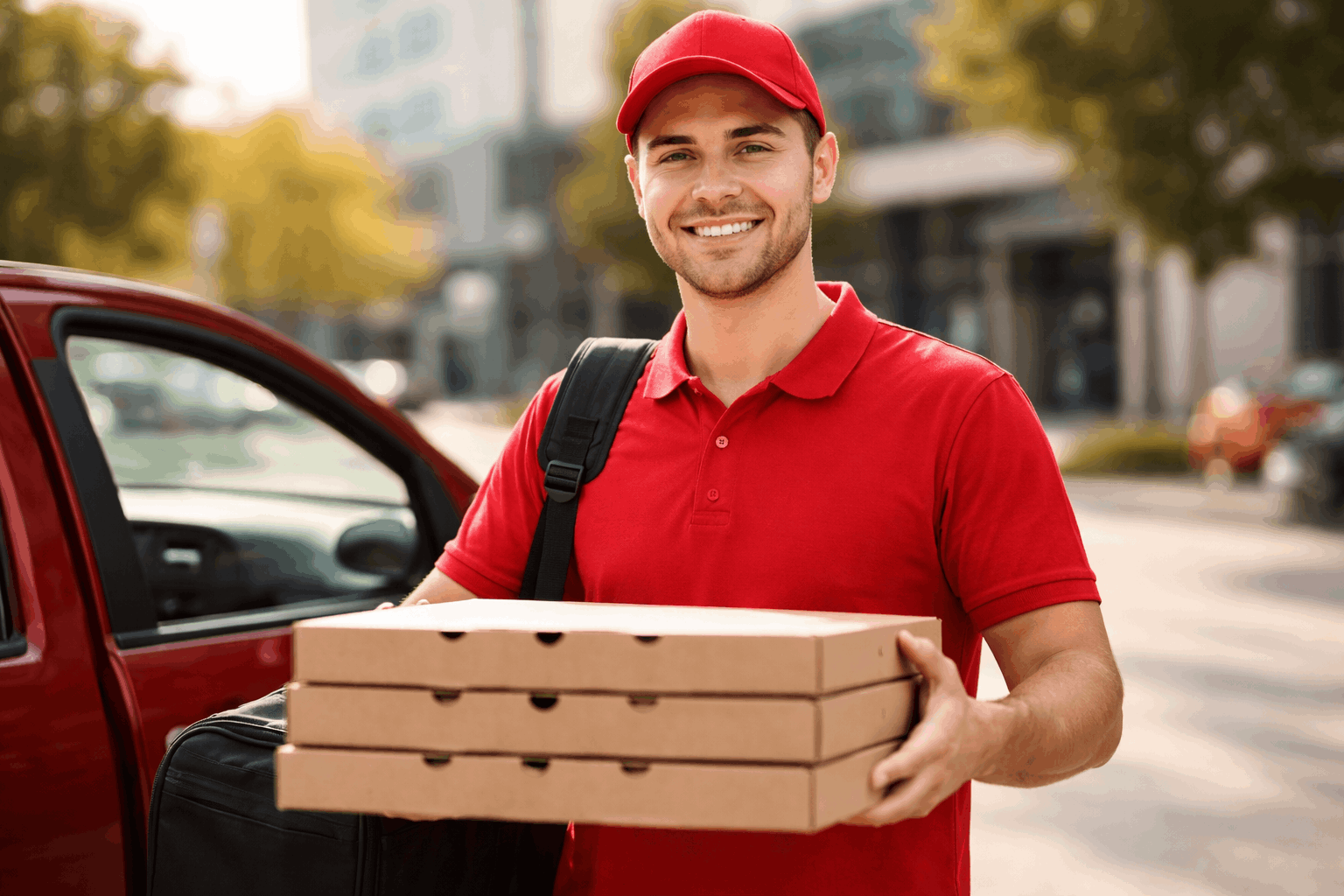
Pizza delivery drivers are responsible for transporting prepared food orders from a restaurant to customers.
They represent the brand during face-to-face interactions at the customer’s door.


They handle payments, confirm order accuracy, and provide basic customer service.
They must drive safely while managing time-sensitive deliveries.
Core Responsibilities
Drivers pick up packaged orders and verify that items match the receipt. They use GPS systems or delivery apps to locate addresses efficiently.
They collect cash or process card payments when required.
Customer Service Role
Drivers act as the final contact point between the store and the customer. Professional behavior and punctual service influence customer satisfaction ratings.
Friendly communication often increases the likelihood of receiving tips.
Vehicle and Safety Duties
Drivers are expected to maintain a clean and roadworthy vehicle. They must follow traffic laws and company safety policies at all times.
Many employers require proof of valid auto insurance and a clean driving record.
Basic Requirements to Apply
Most pizza chains require applicants to meet minimum age and licensing standards. Requirements are generally similar across major U.S. pizza brands.
Applicants must show legal authorization to work in their country. Background and driving record checks are commonly part of hiring.
Age and Licensing
The minimum age is usually 18 years old. A valid driver’s license is mandatory for employment.
Some companies require at least two years of driving experience.
Driving Record and Insurance
Employers typically review motor vehicle records for violations. A clean or limited-incident driving history improves hiring chances.
Proof of personal auto insurance is usually required before starting.
Vehicle Requirements
Drivers generally use their own insured vehicle for deliveries. The vehicle must meet safety standards and local legal requirements.
Some companies may inspect the car before final approval.
Skills That Help You Succeed
Pizza delivery jobs do not require advanced degrees. However, certain practical skills increase performance and earnings.
Time management plays a critical role in daily tasks. Strong communication improves service quality.
Time Management
Deliveries are often scheduled during peak lunch and dinner hours. Drivers must prioritize routes to reduce delays.
Efficient planning helps increase the number of completed deliveries.
Navigation Skills
Basic familiarity with local roads improves efficiency. GPS apps assist with locating unfamiliar addresses.
Quick route adjustments reduce fuel use and wait times.
Communication Skills
Clear communication helps resolve order questions. Professional tone builds customer trust.
Positive interaction can influence online ratings.
Earnings and Compensation
Pizza delivery drivers earn a combination of hourly pay and tips.
According to data from the U.S. Bureau of Labor Statistics, delivery drivers fall under light truck or delivery services occupations.
Pay rates vary by region and employer policies. Tips significantly impact total take-home earnings.
Hourly Pay
Some employers pay the federal or state minimum wage during in-store work.
Delivery time may be compensated at a slightly different rate depending on state law.
Overtime rules apply based on labor regulations.
Tips and Bonuses
Tips are often the largest portion of income. Customer satisfaction strongly affects tip amounts.
Some stores offer performance bonuses for high delivery volume.
Reimbursement Policies
Many companies provide mileage reimbursement per delivery. Reimbursement rates help offset fuel and vehicle wear costs.
Policies differ depending on corporate or franchise ownership.
Where to Apply
Large pizza chains regularly hire delivery drivers. Applications are usually available online through official company websites.
Local franchise locations may also accept in-person applications. Job boards frequently list open driver positions.
Domino’s
Domino’s hires delivery drivers in many countries worldwide. Applications can be submitted through its official careers portal.
Requirements include valid licensing and reliable transportation.
Pizza Hut
Pizza Hut offers part-time and full-time driver roles. Applicants apply online or at local franchise stores.
Insurance and background checks are standard steps.
Papa Johns
Papa John’s lists delivery roles on its corporate website. Flexible scheduling is often available for students or part-time workers.
A clean driving record is commonly required.
Application Process Step by Step
The hiring process is straightforward for most pizza chains. Online forms request personal and driving history details.
Some employers schedule interviews within days of submission. Final approval depends on verification checks.
Submit an Online Application
Applicants complete a digital form with contact information. Driving history details are typically included.
Availability for shifts must be clearly stated.
Attend an Interview
Managers review driving experience and customer service skills. Applicants may answer scenario-based questions.
Proof of license and insurance is often requested during this stage.
Complete Background Checks
Companies verify driving records through official motor vehicle reports. Criminal background screening may also occur.
Successful clearance leads to onboarding instructions.
Work Schedule and Flexibility
Pizza delivery roles often offer flexible scheduling. Peak demand occurs during evenings and weekends.
Students and part-time workers frequently choose this job for schedule adaptability.
Holiday shifts may increase earnings potential.
Part-Time Options
Many stores allow limited weekly hour commitments. Shift swaps may be possible with manager approval.
Availability during busy hours improves scheduling priority.
Full-Time Opportunities
Some locations offer consistent weekly hours. Full-time roles may include eligibility for benefits.
Schedules often rotate based on operational needs.
Peak Hour Expectations
Dinner hours are typically the busiest period. Drivers must handle multiple deliveries efficiently.
Fast service during rush hours supports higher tip earnings.
Safety and Legal Considerations
Driving professionally requires attention to safety. Employers emphasize compliance with traffic laws.
Insurance coverage protects both the driver and the business. Accident reporting procedures must be followed carefully.
Traffic Law Compliance
Drivers must obey speed limits and local regulations. Traffic violations may lead to termination.
Safe driving protects long-term employment stability.
Insurance Coverage
Personal auto insurance must remain active. Some companies provide limited supplemental coverage.
Coverage policies vary by franchise agreement.
Accident Procedures
Drivers must report incidents immediately to management. Accurate documentation protects all parties involved.
Following protocol ensures insurance claims are processed properly.
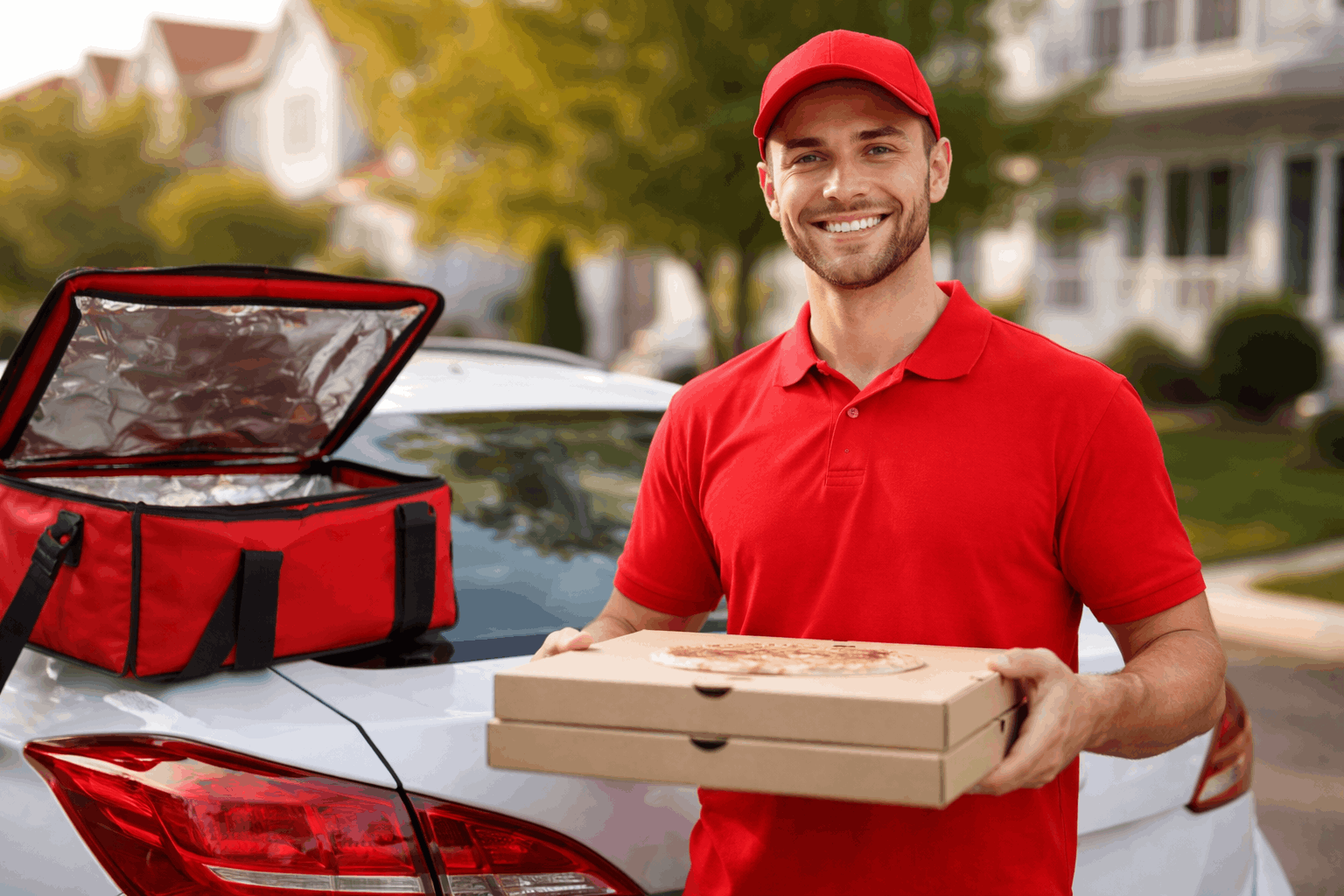
Advantages of Being a Pizza Driver
This job offers entry-level accessibility. No advanced education is typically required.
Flexible scheduling suits students and part-time workers. Tip-based income can increase earning potential.
Flexible Income
Tips create earning variability. Busy shifts often generate higher daily pay. Performance directly affects total income.
Quick Hiring Process
Application steps are simple and direct. Background checks are usually completed quickly. Onboarding may begin within a short timeframe.
Entry-Level Opportunity
No prior delivery experience is always required. Basic driving and customer service skills are sufficient.
Training is commonly provided by the store.
Conclusion: Start Your Delivery Career Today
Becoming a pizza delivery driver is an accessible entry-level job with flexible hours and tip-based earning potential.
Meeting age, licensing, and insurance requirements is the first step toward approval.
Applications are available through major pizza chain career portals.
Apply today and begin building a steady income with a role that values reliability and customer service.