Uber Eats Delivery Roles let you start earning with a bike, scooter, car, or on foot in some cities.
Your income depends on demand, tips, location, and how you choose your orders.

This guide explains Uber Eats Delivery Roles, typical pay ranges, and the steps to start fast.
What Uber Eats Delivery Work Looks Like
Understanding the workflow is essential before starting. The system is app-based and fully flexible.
Earnings depend on time management, order selection, and demand levels.
- Order Request Through the App – A delivery offer appears showing pickup location, drop-off area, estimated payout, and total distance before acceptance.
- Restaurant Pickup Process – Arrival at the restaurant, order confirmation inside the app, and collection of the prepared food.
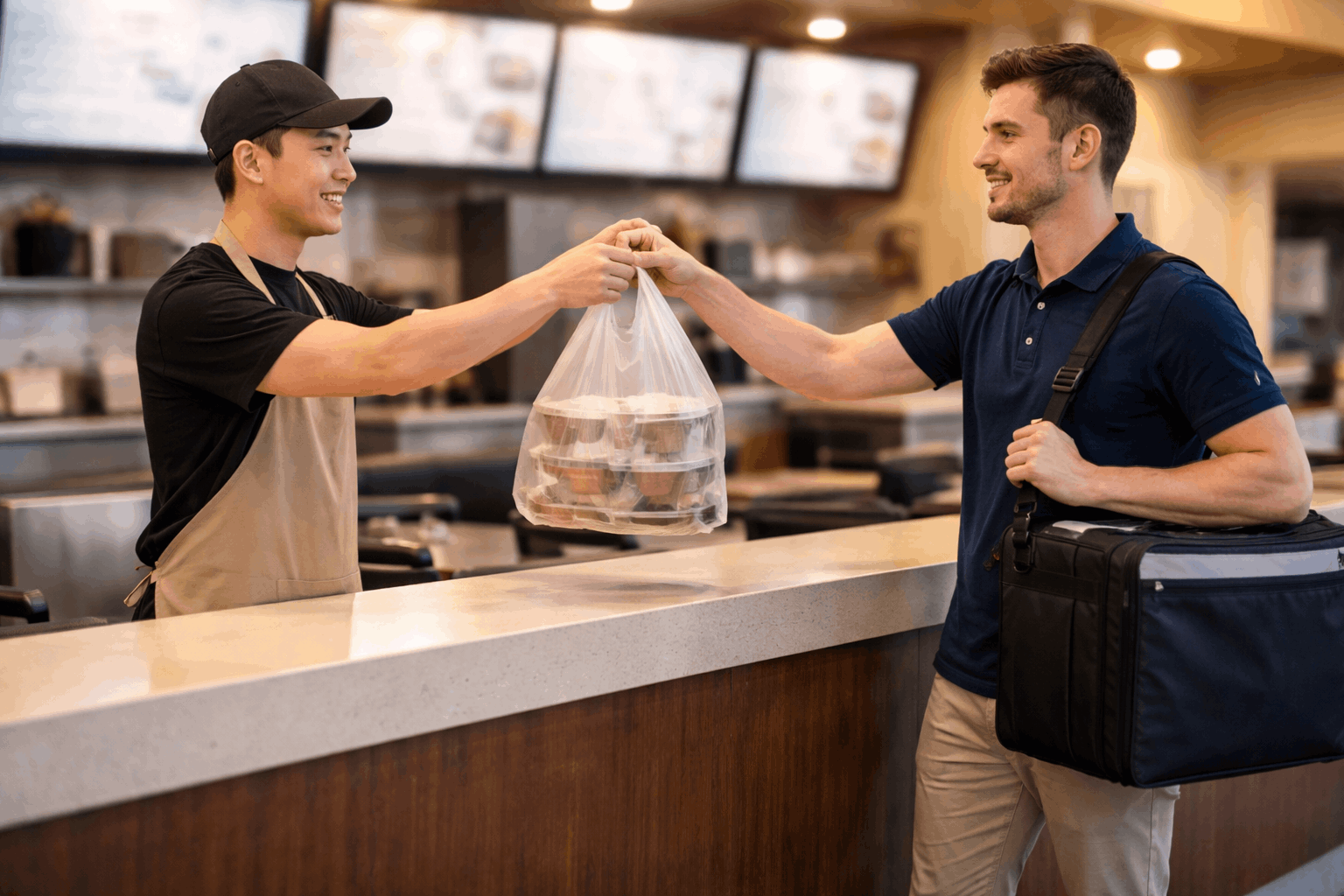
- Customer Drop-Off – GPS navigation to the address followed by handoff or contactless delivery based on instructions.
- Trip-Based Earnings – Each delivery includes base pay, possible surge incentives, and customer tips.
- Flexible Scheduling – Work begins and ends at any chosen time through the app.
- Independent Contractor Model – All expenses, equipment, and taxes are self-managed.
Delivery Roles You Can Start With (And Typical Pay Ranges)
Several delivery options are available depending on location and equipment access.
Each role has different startup costs and earning potential. Pay varies by city, demand, and tips.
- Walking Courier (where available) – Common in dense city centers; typical earnings range from $10–$18 per hour during busy periods.
- Bicycle Courier – Popular in urban areas with short distances; average earnings range from $12–$22 per hour depending on demand.
- Scooter or Motorcycle Courier – Covers longer distances efficiently; earnings often range from $14–$26 per hour.
- Car Delivery Driver – Suitable for suburbs and wider delivery zones; typical earnings range from $13–$25 per hour before expenses.
- Multi-App Courier – Run more apps to get more orders; $15–$30/hour depending on market and timing.
Salary Table (Quick Comparison)
These are typical U.S. gross hourly ranges reported in public data from Uber and the U.S. Bureau of Labor Statistics, and they vary by city, time, and expenses.
- Walking Courier – $10–$18/hour | Lowest expenses | Best for dense downtown areas.
- Bicycle Courier – $12–$22/hour | Low expenses | Strong in compact urban zones.
- Scooter/Motorcycle Courier – $14–$26/hour | Moderate expenses | Covers mid-range distances efficiently.
- Car Delivery Driver – $13–$25/hour (gross) | Higher expenses (fuel, wear) | Suitable for suburban areas.
- Multi-App Courier – $15–$30/hour (gross potential) | Varies by management skill | Higher coordination required.
Important: Net income depends heavily on fuel costs, vehicle depreciation, insurance, and unpaid downtime between orders.
Real Take-Home Pay (What You Keep After Costs)
Gross pay is not the same as profit. Real take-home pay depends on operating costs and unpaid time between orders.
Understanding expenses protects actual hourly earnings.
- Fuel Costs – Gas expenses directly reduce profit, especially in car-based deliveries and long-distance trips.
- Vehicle Maintenance – Oil changes, tires, brakes, and repairs increase with mileage and affect net income.
- Depreciation – Vehicle value drops over time due to delivery use, which is a hidden cost many overlook.
- Insurance and Registration – Higher coverage or commercial add-ons may increase monthly expenses.
- Phone and Data Plan – Reliable mobile data is required and adds to ongoing operating costs.
- Gear and Supplies – Insulated bags, phone mounts, chargers, and safety items create small but recurring costs.
- Unpaid Downtime – Waiting for orders, restaurant delays, and slow periods lower effective hourly earnings.
- Taxes – Independent contractor income requires setting aside money for federal, state, and self-employment taxes.
Common Problems That Cut Your Pay
Some issues reduce earnings even during busy hours. Most losses come from delays, poor order selection, and downtime.
Identifying these problems early protects real hourly income.
- Long Restaurant Wait Times – Standing idle reduces effective hourly earnings and increases fuel waste.
- Low-Payout, Long-Distance Orders – High mileage with weak pay lowers profit after expenses.
- Unpaid Downtime Between Orders – Slow periods reduce overall hourly averages.
- Heavy Traffic and Poor Routing – Longer drive times mean fewer completed deliveries per hour.
- Customer Address Errors – Time spent resolving incorrect addresses reduces efficiency.
- Order Cancellations – Cancelled trips may pay little or nothing after time already invested.
- High Fuel Costs – Rising gas prices directly reduce net income.
- Stacked Orders Gone Wrong – Poorly managed multi-pickups cause delays and rating drops.
- Low Customer Ratings – Lower ratings can limit access to incentives or priority orders.
- Vehicle Breakdowns – Repairs create downtime and unexpected expenses.
Requirements and Approval Checklist
Approval depends on meeting basic eligibility and document standards. Requirements vary slightly by location and delivery method.
Completing the checklist correctly speeds up activation.
- Minimum Age Requirement – Typically 18+ for bike delivery and 19+ or 21+ for car delivery, depending on market rules.
- Valid Government ID – A clear, active photo ID is required for identity verification.
- Background Check – A screening review is conducted before account activation.
- Driver’s License (If Using a Vehicle) – A valid, non-expired license is required for car, scooter, or motorcycle delivery.
- Vehicle Registration – Current registration must match the vehicle being used.
- Auto Insurance – Active insurance coverage is required for motor vehicle delivery.
- Profile Photo Submission – A clear headshot is needed for account verification.
- Smartphone Compatibility – A supported iOS or Android device with reliable data access is required.
How to Start Fast (Step-by-Step)
Starting is simple if each step is completed correctly. Delays usually happen because of missing or unclear documents. Follow the process in order to activate quickly.
- Create an Account – Sign up through the Uber Eats driver platform and enter basic personal information.
- Choose Delivery Method – Select bike, scooter, motorcycle, or car based on available options in the area.
- Upload Required Documents – Submit ID, license (if applicable), insurance, and vehicle registration where required.
- Complete Background Check – Wait for screening approval before activation.
- Download the Driver App – Install the official delivery app and log in once approved.
- Set Up Payment Details – Add bank account information for direct deposit.
- Go online and accept the first order – Activate availability in the app and begin accepting delivery requests.
- Complete Initial Deliveries Carefully – Focus on accuracy and timing to build strong ratings early.
Best Times and Zones to Work
Timing and location directly affect earnings. Demand increases during predictable meal periods and high-traffic zones.
Working smarter hours improves hourly results without adding more time.
- Lunch Rush (11 AM – 2 PM) – Strong demand near office districts and business centers.
- Dinner Rush (5 PM – 9 PM) – Consistent peak period in residential and mixed-use areas.
- Late Night (9 PM – 1 AM) – Higher payouts near entertainment districts and college areas.
- Weekend Evenings – Increased order volume across most urban zones.
- Bad Weather Periods – Rain or extreme weather often increases demand and incentives.
- Downtown Areas – Shorter delivery distances and higher order density.
- Restaurant Clusters – Zones with many popular restaurants reduce idle time.
- High-Density Residential Areas – Frequent short trips with steady flow.
- Event Locations – Sports venues and concerts temporarily boost demand.
- Suburban Hotspots – Strong dinner demand but longer average trip distance.
Final Takeaway
Uber Eats Delivery Roles offer flexible entry points with earning potential that depends on strategy, timing, and cost control.
Real profit comes from choosing the right delivery method, working peak hours, and managing expenses carefully.
Start the sign-up process today, complete your approval steps, and begin building consistent delivery income.