Flexible grocery delivery jobs has expanded significantly in recent years. More households now prefer home delivery for convenience and time savings.
Major retailers and tech platforms continue investing in last-mile logistics.

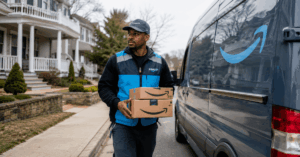

Flexible app-based work models have attracted students, parents, and part-time earners.
Expanded Services
Grocery delivery services such as Instacart, Shipt, and DoorDash have expanded across thousands of cities.
Retail-backed platforms like Walmart Spark and Amazon Fresh also support the shift toward on-demand grocery fulfillment.
According to U.S. Bureau of Labor Statistics data, employment for delivery drivers and couriers is projected to grow as e-commerce activity continues increasing.
How Grocery Delivery Jobs Work
Most platforms operate through mobile applications that connect shoppers and customers.
Workers accept orders, shop for items, and deliver them to customer addresses.
Payment structures vary depending on the platform and local market.
Accepting Orders Through an App
Drivers log into a mobile app to view available delivery batches.
Orders typically show estimated earnings, distance, and item count.
Workers can choose which requests to accept based on personal preference.
Shopping and Order Fulfillment
Some jobs require full-service shopping inside the store.
Others involve picking up pre-packed grocery bags prepared by store staff.
Accurate item selection and careful handling affect ratings and tips.
Completing the Delivery
Drivers use in-app navigation tools to reach customer addresses.
Contactless delivery options are common in many markets.
Customer ratings often influence future access to higher-paying orders.
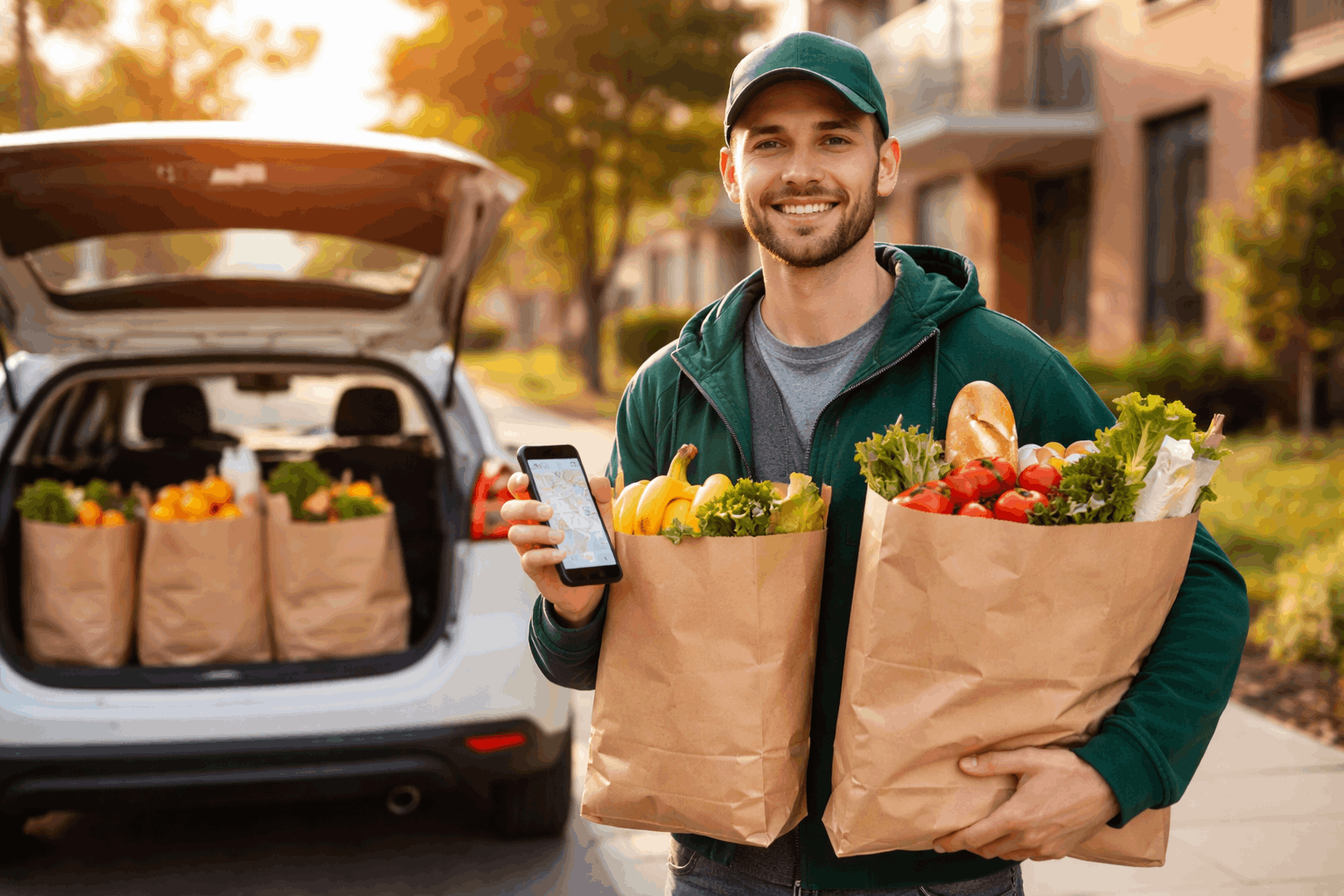
Income Potential and Earnings Structure
Earnings depend on location, order volume, tips, and efficiency.
Most platforms combine base pay with performance-based incentives.
Peak hours and busy zones usually offer higher payouts.
Base Pay and Tips
Base pay typically covers time, distance, and item quantity.
Customers may add tips before or after delivery completion.
Strong service quality often increases total weekly income.
Promotions and Bonuses
Platforms sometimes offer surge pricing during high demand.
Referral programs provide additional earning opportunities.
Completion bonuses may apply after a set number of deliveries.
Estimated Pay Ranges
Many grocery delivery drivers report earning between $15 and $25 per hour before expenses, depending on region and demand.
Actual take-home pay varies after fuel, maintenance, and tax costs.
Income can increase during weekends, evenings, and holidays.
Requirements to Start Working
Most companies have clear eligibility criteria.
Applicants must meet age, vehicle, and background requirements.
The onboarding process is usually completed online.
Basic Eligibility
Drivers are generally required to be at least 18 or 21 years old depending on the platform.
A valid driver’s license and auto insurance are commonly mandatory.
Background checks are standard across major companies.
Vehicle and Equipment
A reliable vehicle is typically required for grocery delivery.
Some cities allow bicycle or scooter deliveries for smaller orders.
A smartphone with internet access is essential for managing orders.
Registration Process
Applicants submit personal information through the official app or website.
Identity verification and background screening follow.
Approval timelines vary but often take a few days.
Advantages of Flexible Grocery Delivery Work
Flexible scheduling is one of the biggest benefits.
Workers choose when and how long they want to work.
This structure appeals to people seeking side income or part-time flexibility.
Control Over Schedule
There are usually no fixed shifts unless workers opt into them.
Drivers can log in during peak hours for better earnings.
Time off can be taken without formal leave requests.
Independent Work Environment
Most deliveries are completed independently.
Minimal direct supervision is involved.
Performance is measured primarily through app metrics and ratings.
Quick Entry into the Workforce
No advanced degree is required.
Training is typically brief and app-based.
New drivers can often start earning within days of approval.
Challenges to Consider
Flexible work also includes certain trade-offs.
Independent contractors are usually responsible for their own expenses.
Income can fluctuate based on demand and competition.
Vehicle and Fuel Costs
Gas prices directly affect profit margins.
Regular vehicle maintenance is necessary.
Wear and tear increases with higher mileage.
Income Variability
Order volume may slow during off-peak hours.
Weather and local competition influence availability.
Earnings are not guaranteed at a fixed hourly rate.
Tax Responsibilities
Most drivers are classified as independent contractors.
Self-employment taxes must be managed independently.
Keeping track of expenses is important for accurate reporting.
Tips to Increase Grocery Delivery Earnings
Strategic planning can improve profitability.
High ratings often lead to better order access.
Smart scheduling makes a measurable difference.
Work During Peak Hours
Evenings and weekends usually have higher demand.
Major holidays can increase order volume significantly.
Stormy weather may also trigger surge pricing.
Track Expenses Carefully
Fuel, tolls, and maintenance should be recorded.
Mileage tracking apps help estimate deductible costs.
Expense management improves net income clarity.
Provide Excellent Customer Service
Clear communication builds customer trust.
Careful packaging prevents damaged items.
Friendly service often results in higher tips.
Who Benefits Most from Grocery Delivery Jobs
Students often value flexible scheduling.
Parents may use delivery work around childcare responsibilities.
Full-time employees sometimes use it for supplemental income.
Side Hustle Seekers
Part-time earners can control weekly goals.
Short shifts fit around other commitments.
Extra income can support savings or debt reduction.
Transitioning Workers
Individuals between jobs may benefit from quick onboarding.
Immediate earning potential helps manage short-term expenses.
Skill requirements remain accessible to many applicants.
Gig Economy Participants
Those already active in ride-share or food delivery adapt easily.
App-based work familiarity speeds onboarding.
Multi-platform strategies can diversify income streams.

Salaries For Flexible Grocery Delivery Jobs
Rates vary by platform, location, tips, and demand, so these figures are approximate ranges rather than guaranteed pay.
| Delivery Platform / Job Type | Typical Hourly Earnings Range (USD) | Notes |
|---|---|---|
| Instacart Grocery Delivery (U.S.) | $10 – $30/hr | Includes base pay + tips; varies widely by city and time of day |
| Instacart Average (Indeed estimate) | ~$20.7/hr | Mid-range national estimate from job postings |
| Shipt Grocery Delivery (U.S.) | $16 – $30/hr | Reported average range based on industry site estimates |
| Shipt Average (Indeed estimate) | ~$23.2/hr | Based on historic job postings |
| Instacart (Specific metro areas) | ~$27 – $28/hr | Example city estimates (Memphis & Philadelphia) |
| Grocery Delivery Driver (Glassdoor overall) | ~$18 – $24/hr | Median median range for drivers in U.S. workers reports |
Final Thoughts on Flexible Grocery Delivery Earnings
Flexible grocery delivery jobs provide accessible earning opportunities in many cities.
Income potential varies, but strategic scheduling and strong service can improve results.
With informed planning, grocery delivery work can become a reliable supplemental income source.