Warehouse picker and packer jobs are the roles that keep online orders and store restocks moving from shelves to shipping lanes.
Most postings combine “pick” and “pack” tasks, but the core goal is always the same: accurate items, fast flow, and safe handling.



In U.S. labor data, many of these positions sit within the broad occupation Stockers and Order Fillers, which covers order-filling work across industries.
What picker and packer jobs actually are
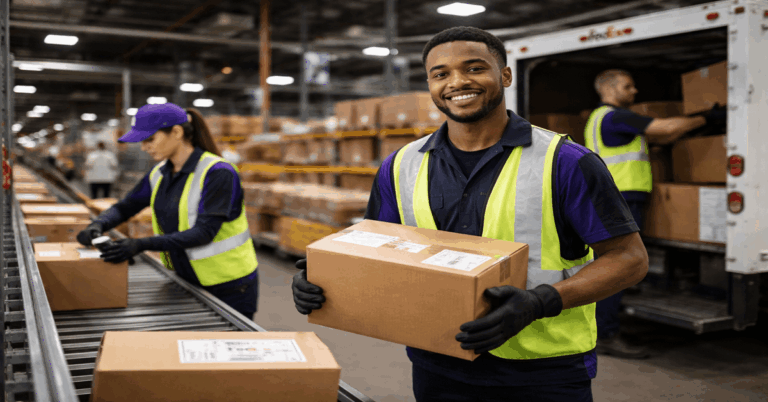
A picker pulls the right products from inventory locations to complete customer or store orders, often guided by scan devices or pick lists.
A packer checks the order, protects items with the right materials, labels the package, and routes it to staging or shipping.
Many warehouses blend both tasks into one role, so your shift may alternate between picking waves and packing batches.
Job titles vary a lot, but postings often overlap with names like order filler, warehouse associate, or inventory handler.
Picker work: finding, scanning, and moving items
Picking usually starts with a list or handheld prompt that tells you the item, location, and quantity to collect.
You confirm the item by scanning barcodes or checking identifiers so the order matches what the customer actually bought.
You then place items in totes, carts, pallets, or cages and move them to a drop zone for packing or consolidation.
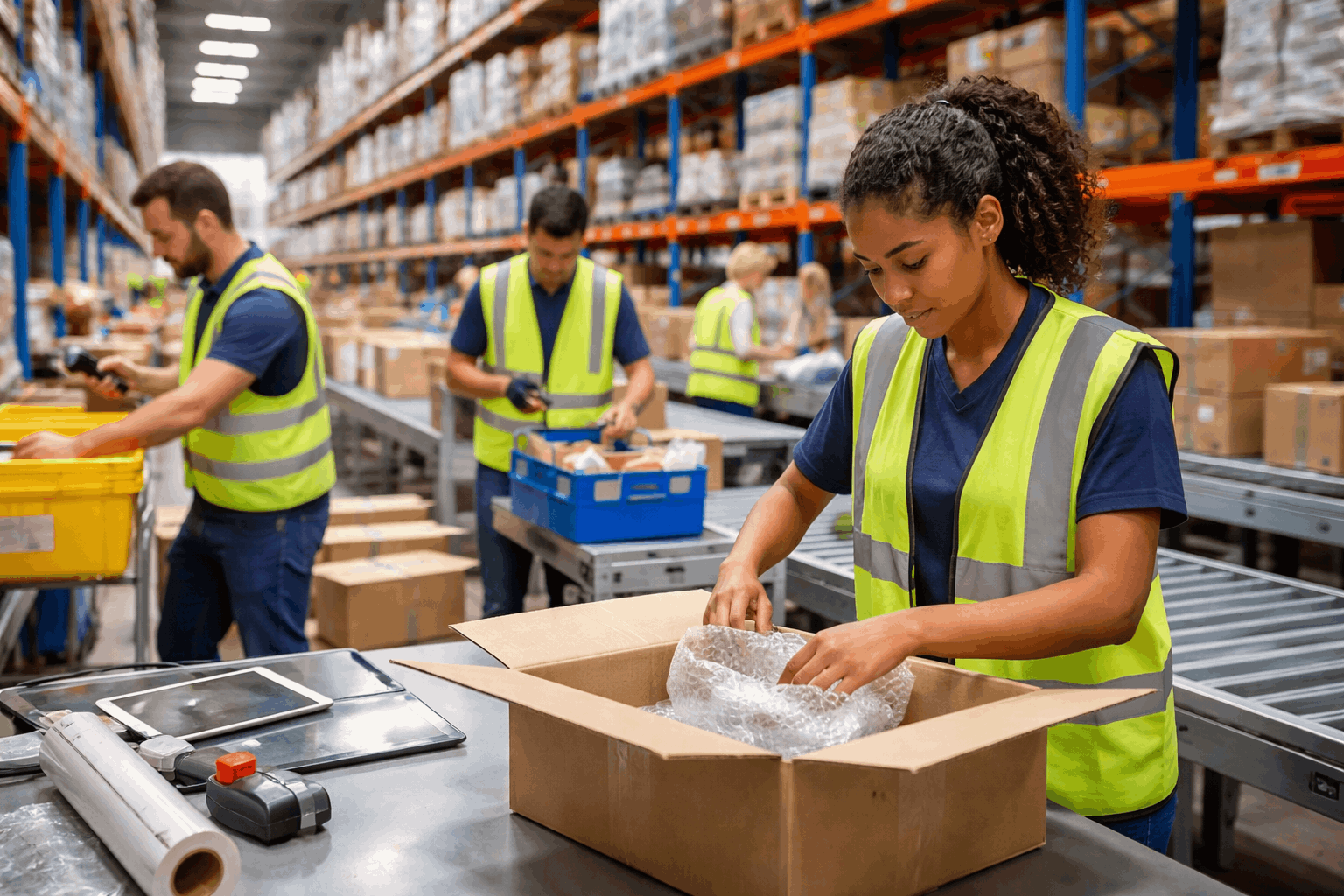
Packer work: protecting products and preventing mistakes
Packing focuses on inspection, proper packaging materials, and labeling so items arrive intact and traceable.
Many employers expect packers to record order details in a system, apply labels, and move finished cartons to shipping areas.
Quality checks matter because a single wrong item or damaged box can trigger returns, reships, and customer complaints.
The day-to-day tasks you should expect
Most shifts follow a routine of receiving tasks, completing pick/pack steps, and staging orders for the next department.
Common tasks include completing order receipts and keeping records of outgoing orders, especially in order-filling roles.
Work is usually measured by accuracy and throughput, meaning how correct you are and how consistently you complete assignments.
Even in entry roles, you will likely use basic systems like handheld scanners or simple warehouse software for tracking.
Common workflow: pick, verify, pack, stage
You pick items, verify them against the order, and fix mismatches before they reach the packing table.
You pack using the right carton size and protective material, then label with shipping or internal routing info.
You stage finished packages in assigned lanes so carriers or internal transport teams can load them efficiently.
Equipment you may use on the floor
Many warehouses use carts, pallet jacks, and conveyors, while some add forklifts or order-pickers depending on the site.
If powered industrial trucks are in use, employers typically control access through training and strict operating rules.
Even without heavy equipment, you’ll likely handle repetitive lifting, bending, and reaching, so safe movement matters every hour.
Requirements, skills, and what hiring managers look for
Most picker and packer roles focus on reliability, attention to detail, and the ability to stay productive in a fast-moving environment.
Many postings emphasize basic computer comfort for scanning, recording order details, and following digital instructions.
Physical capability is often required because the work can involve standing, walking, and lifting during long shifts.
Employers also look for consistent safety behavior, since warehousing includes known hazards that require steady compliance.
Physical and scheduling realities
Postings commonly mention lifting requirements that can range up to heavy weights, depending on the warehouse and product type.
Shift patterns can include early mornings, overnights, weekends, and peak-season overtime when volume increases.
If you’re applying, treat availability as a real advantage because warehouses often staff around shipping cutoffs and delivery windows.
Accuracy skills that reduce returns and rework
Strong pick accuracy comes from reading locations carefully, scanning correctly, and double-checking quantities before moving on.
Strong pack accuracy comes from verifying contents, using the right packaging method, and labeling cleanly for tracking.
Hiring managers value this because accuracy protects the operation from costly mistakes and customer-facing problems.
Pay, job outlook, and what affects earnings
In the U.S., BLS wage data for Stockers and Order Fillers shows national pay estimates that vary across percentiles and locations.
| Job Title / Role | Annual Salary Range | Typical Hourly Equivalent |
|---|---|---|
| Warehouse Picker & Packer (general average) | $35,736 – $41,345 | ~$17 – $20/hr |
| Warehouse Picker & Packer (average overall) | ~$38,152/year | ~$18/hr |
| Warehouse Picker & Packer (Glassdoor data) | $39,189 – $56,433 | ~$19 – $27/hr |
| Warehouse Order Picker (ZipRecruiter) | $32,500 – $40,000 | ~$17/hr |
| Picker & Packer (Glassdoor broad) | $39,381 – $59,014 | ~$19 – $28/hr |
Safety, ergonomics, and protecting your body on the job
Warehouses have well-documented hazards, including equipment traffic, loading docks, and material handling risks.
OSHA highlights safe procedures for stacking loads, maintaining distance from dock edges, and watching for pedestrians around powered vehicles.
Repetitive order picking is also tied to ergonomic risk, which is why OSHA provides warehousing guidance that includes order-picking solutions.
A good employer trains you on safe movement and expects you to follow rules consistently, not only when supervisors are nearby.
Practical safety habits that help you last longer
Keep loads stable, use correct lifting technique, and avoid rushing in congested aisles where collisions and trips are more likely.
Respect marked zones near docks and equipment lanes, since OSHA specifically warns about clearance, edges, and pedestrian awareness.
If something feels unsafe, report it early because small hazards can become serious incidents when volume increases.

Where to find “hiring now” roles and how to apply
Many large employers and logistics firms post picker and order-filler roles directly on their official career pages, which is usually the safest place to apply.
Staffing firms and major job boards can help you find openings, but you should still verify that the listing matches a real employer and location.
Legit postings clearly describe duties like picking, packing, labeling, and moving completed orders to shipping areas.
Avoid any “warehouse job” ad that asks for unusual upfront payments or refuses to provide a real company name and worksite address.
A simple application checklist that works
Match your resume to the posting by naming the same core tasks, like picking, packing, labeling, scanning, and staging shipments.
Highlight reliability signals, such as consistent attendance, shift flexibility, and experience following safety rules in structured environments.
In interviews, explain how you prevent mistakes, because accuracy is central to picker and packer performance expectations.
How to stand out and move up from entry-level warehouse work
Many warehouses promote from within when workers show strong accuracy, safe behavior, and steady output over time.
Cross-training across picking, packing, and replenishment makes you more useful during peak demand and can protect your hours.
As you gain experience, you may qualify for roles that involve training others, supporting inventory control, or handling more complex order flows.
Conclusion
Start by becoming known for clean scans, correct counts, and careful packing that reduces damage and rework.
Then aim for cross-trained duties like replenishment or staging coordination, since those roles depend on trust and process discipline.
Over time, that track can position you for lead, trainer, or specialty roles, depending on the warehouse size and turnover.